Thank you for Subscribing to Environmental Business Review Weekly Brief
Environmental Business Review: Specials Magazine
![SECURE [TSX: SES]: From Waste Identification to Final Containment](https://www.environmentalbusinessrevieweurope.com/uploaded_images/Untitled-4-1jac.jpg "SECURE [TSX: SES]: From Waste Identification to Final Containment")
A disposal site cannot correct a waste stream that was sent to the wrong place. Hazardous solids and NORM-impacted material require different acceptance requirements, while contaminated liquids may need processing before final disposal is even considered. SECURE [TSX: SES] builds its waste-management model around those distinctions. Across Western Canada, the company connects waste assessment and collection with processing and recovery, then directs residual material into purpose-built disposal infrastructure. The sequence matters because disposal becomes controlled only when material is identified, segregated, assessed and routed before it reaches its final destination. It operates one of Western Canada’s largest networks of industrial waste infrastructure, including Class I and II landfills. Its disposal portfolio also extends underground through salt caverns, while deep disposal wells provide another permitted route for certain liquid streams. Rather than treating disposal as one endpoint, SECURE matches the waste to the infrastructure designed to contain it. Know the Waste Before Disposal The decision starts with characterization. Before material is shipped to a SECURE landfill, generators are required to identify the waste stream and obtain approval against the receiving facility’s acceptance criteria. Province-specific protocols set out the analytical information needed for different wastes, allowing the disposal route to be determined before the truck moves. Collection is built around the same discipline. SECURE operates more than 10,000 waste containers across Canada, including designs for filters, NORM material, self-heating waste and sludge. Shipping documents and waste approvals keep the material identified through the transfer process until it reaches the receiving facility.
![SECURE [TSX: SES]: Pioneering A Chemical-Free Future In Water Remediation](https://www.environmentalbusinessrevieweurope.com/newstransfer/upload/6-z34xv-.jpg "SECURE [TSX: SES]: Pioneering A Chemical-Free Future In Water Remediation")
Water Treatment and Testing Solutions of the year in Canada 2026
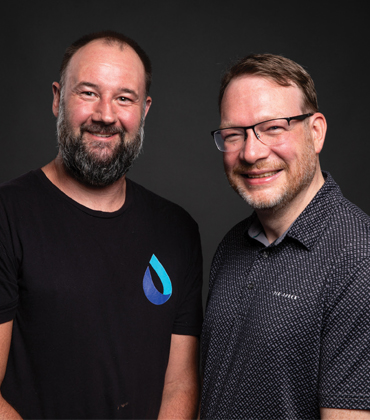
Effective water treatment depends on hands-on field work and regular site visits, where boilers, chillers, cooling towers, and hydronic systems are actively tested and adjusted to maintain proper water chemistry. Rather than being a distant oversight function, it requires close, practical involvement to catch issues early before they impact performance, increase energy costs, or lead to expensive repairs. HYDRONIC Water Treatment addresses this challenge by combining field expertise, consistent testing, and practical recommendations that help building owners and facility teams understand what is happening inside their systems. Founded around a commitment to improving water quality at the site level, HYDRONIC Water Treatment focuses on protecting the infrastructure that buildings rely on every day. The company works with clients to identify issues early, apply appropriate treatment strategies, and provide information that supports better operational decisions. Rather than treating water management as a routine chemical application, the company approaches it as an ongoing process of monitoring, analysis, and improvement..
Bio-Remediation Solutions
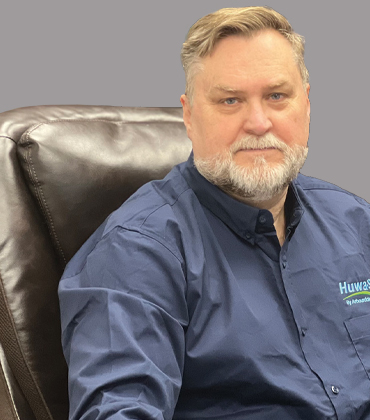
Water is the lifeblood of our communities, industries, and ecosystems. Yet, in an era of increasing environmental awareness and health consciousness, traditional water treatment methods are showing their limitations. Chlorine—long the industry standard—is increasingly recognized as a solution and part of the problem. This is where Arbourdale emerges as a game-changer. It offers innovative, chemical-free bioremediation solutions that are transforming how Canada approaches water safety. The Chlorine Conundrum For decades, chlorine has been the go-to solution for water treatment. Municipalities, farms, and industries have relied on its disinfecting power, often overlooking its significant drawbacks. The issues with chlorine extend beyond health concerns. Its corrosive nature damages infrastructure, leading to costly maintenance and premature system failures. In agricultural settings, chlorine-treated water can stress livestock, while in municipal systems, it reacts with organic matter to form dangerous disinfection byproducts. These limitations created the perfect opportunity for Arbourdale’s natural solutions to shine. “Most of what we do is the pursuit of chlorine elimination,” explains David Sim, President of Arbourdale. “We believe water treatment doesn’t have to be complicated. Our systems are designed to simplify the process, eliminate risks, and deliver consistent results without relying on chemicals.” A Natural Solution Takes Root Arbourdale’s journey began unexpectedly in the irrigation industry, where Sim first encountered water remediation challenges. Tasked with finding solutions for algae-clogged irrigation systems, he discovered the limitations of conventional approaches. This experience planted the seeds for Arbourdale—a company built on the principle that water treatment shouldn’t create new problems while solving old ones. Today, the company’s bioremediation solutions leverage natural processes to break down contaminants, leaving only water and oxygen behind. This approach eliminates the harmful side effects of chemical treatments while often proving more effective in real-world applications. Transforming Agriculture through Clean Water Agriculture accounts for most of Arbourdale’s business, particularly in poultry and livestock operations. The connection between water quality and animal health is profound yet often overlooked. “In poultry production, water is the universal solvent,” Sim explains. “Everything that affects the birds—nutrients, medications, pathogens—travels through the water system.”
CXO INSIGHTS
Leading the Way in Sustainability within the Nuclear Industry
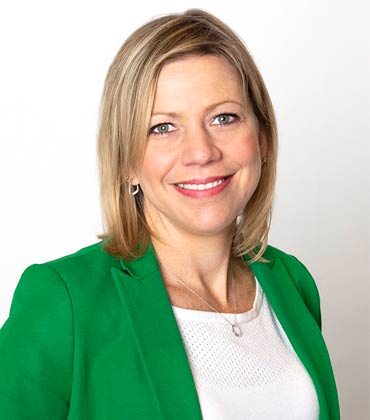
Danielle La Croix, Senior Director of Environment, Sustainability & Net Zero, Bruce Power
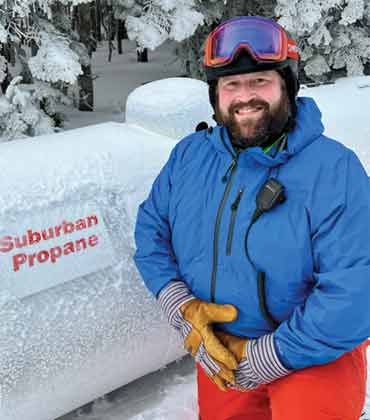
Transforming the Green Tech Industry With Low Carbon Energy
M. Douglas Dagan, Senior Vice President - Renewable Energy, Suburban Propane [NYSE: SPH]
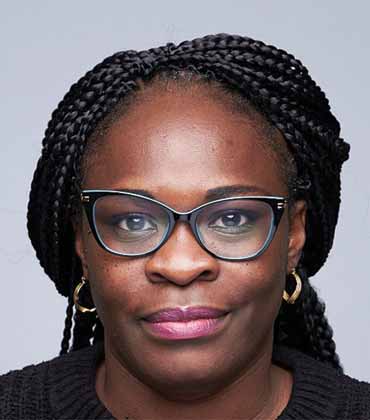
Sustainable Packaging - A Sustainable Business Approach
Titilope Omidiran, (PhD), Global ESG Manager, Hunter Amenities International Ltd.
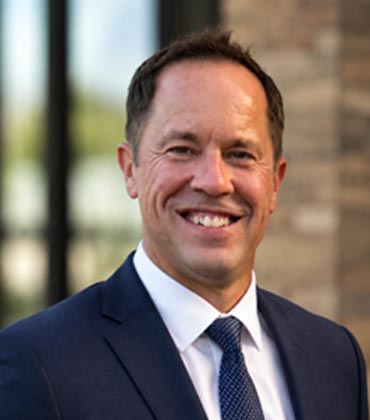
Leading Beyond Compliance: Creating a Culture Where Everyone Goes Home Safe
Walter Radu, CSP, MS, Environment, Health and Safety Regional Director – Midwest, Azuria Water Solutions

Why Risk Communication Belongs on the Schematic
Suzanne DeLorenzo, PhD, Director of Water Quality, San Jose Water
IN FOCUS
Canadian Water Management: Driving Treatment System Advancement
Water treatment solutions in Canada improve quality management, strengthen infrastructure resilience, enhance monitoring capabilities, and optimize sustainability.
Modern Waste Disposal Practices: Supporting Canadian Business Operations
Waste disposal services in Canada improve material handling through efficient collection, segregation, recycling, route optimization, digital tracking, compliance and recovery.
EDITORIAL
The Leaders Shaping Canada’s Environmental Future
Canada’s environmental sector is being shaped by a stronger focus on responsible waste management, effective water treatment, operational accountability and clear communication of environmental risk. This edition of Environmental Business Review Canada looks at organizations and leaders showing how practical systems, field experience and informed decisions can make a meaningful difference in environmental performance.
Our cover story recognizes Secure [TSX: SES] as the Top Waste Disposal Services Provider in Canada 2026. Its strength lies in connecting waste characterization, collection, processing and recovery with purpose-built disposal infrastructure. With more than 80 waste- management facilities, over 10,000 waste containers and four licensed NORM facilities, SECURE ensures waste is properly identified and matched to the right disposal route. Its recovery of approximately 1.2 million barrels of oil from waste further demonstrates the value of recovering usable material before final disposal.
HYDRONIC Water Treatment, recognized as the Water Treatment and Testing Solutions of the Year in Canada 2026, takes a practical, hands-on approach to water management. Through on-site testing, treatment adjustments, reporting and data analysis, the company helps identify corrosion, scale, biological activity and leaks early across a range of building water systems. Its use of historical data and an emerging intelligence layer also helps clients better understand system performance and make informed maintenance decisions.
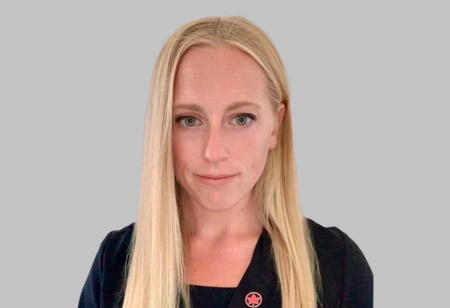
The edition is further strengthened by the perspectives of Suzanne DeLorenzo, PhD, Director of Water Quality, San Jose Water and Lexie Bullock, Manager, Environmental Compliance Programs – Central, Air Canada. DeLorenzo makes a compelling case for treating risk communication as an operational barrier that deserves preparation, consistency, monitoring and care. Bullock shares her experience maintaining environmental compliance during operational disruption, including system-wide risk reviews, spill response and the growing importance of emissions requirements and sustainable aviation fuel.
Taken together, these stories show that meaningful environmental progress depends on careful execution, practical innovation and responsible leadership. We invite readers to explore the featured articles and consider the approaches helping shape environmental performance across Canada.
