Thank you for Subscribing to Environmental Business Review Weekly Brief
Environmental Business Review: Specials Magazine
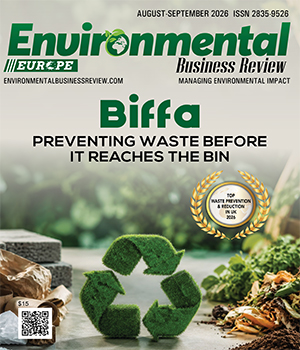
Most businesses only notice waste once it needs collecting. By then, the decisions that created it—how a product was designed, how it was packaged, how much was produced—have already been made. What looks like an operational issue at the end of the chain is often the result of choices made much earlier. Biffafocuses on those earlier stages. Its waste prevention and reduction model examines the full product lifecycle, helping organisations cut unnecessary material use, rethink packaging, refine processes and redirect surplus before it becomes waste. It also supplies recycled and recovered products that can be fed back into manufacturing, construction, agriculture and other sectors. Rather than treating waste management as a standalone function, it connects consultancy, packaging expertise, redistribution and recycled material supply into one waste prevention strategy. Each intervention sits at a different stage, but all aim to move materials away from disposal and towards reduction, reuse or recovery. The emphasis is not just on handling waste better, but on avoiding value loss altogether. Finding Waste in the Process Reducing waste begins with understanding how materials actually move through a business. In practice, inefficiencies can appear in many forms: packaging that is heavier than necessary, production lines that generate avoidable offcuts or logistics systems that turn usable goods into surplus. Even materials labelled as recyclable may not align with real-world collection and processing systems. Biffa brings these issues into focus through strategy development, logistics reviews, packaging audits, supply chain optimisation, carbon reporting and process assessments. The aim is not to produce a report that sits apart from day-to-day operations, but to identify where waste originates and what can realistically be changed. This perspective is particularly valuable in larger organisations, where responsibility for materials is spread across multiple teams. Manufacturing, packaging, warehousing and disposal may all operate independently, making it difficult to see the full picture. By tracking materials end-to-end, Biffa can highlight inefficiencies that would otherwise remain hidden.
Winner - Excellence In Mould Remediation In Uk 2026
Winning the Excellence in Mould Remediation Award 2026 from Environmental Business Review Europe marks a significant milestone for Action Dry Emergency Services Ltd. But for the company, recognition is simply the by-product of delivering technically robust remediation solutions with consistency, accountability and measurable results. As mould contamination concerns grow across residential, commercial, education and public-sector properties, Action Dry stands apart as an established and trusted specialist. In a sector increasingly populated by superficial “spray-and-go” services and marketing-led operators, Action Dry has earned its reputation through decades of hands-on experience, technical competence and measurable outcomes, combining scientific methodology, evidence-based remediation strategies and advanced environmental testing with practical large-scale delivery expertise. For construction professionals, facilities managers, housing providers, insurers and property owners, the challenge surrounding mould is no longer simply cosmetic. The health implications associated with prolonged fungal contamination have elevated mould remediation from a maintenance issue to a serious environmental and compliance priority, rapidly gaining media and government attention. A Reputation Built on Science Action Dry utilises a structured remediation process rooted in moisture diagnostics, property drying, contamination assessment, source identification and post-remediation verification. Every project begins with understanding why mould growth occurred, not simply removing the symptoms. “Successful mould remediation starts with science,” explains Alex Habbershaw, the Action Dry mould remediation supervisor. “If the moisture source, contamination pathways and environmental conditions are not properly identified and addressed, mould will almost certainly r.
Top Indoor Air Quality Service 2026

For organizations that operate in environments affected by asbestos, mold, and indoor air quality requirements, the core responsibility is ensuring workers are cleared, documented, and ready before work begins. While compliance is often structured around annual requirements, it is frequently managed in pieces. That fragmentation becomes visible before a worker ever steps into a facility, when training, medical clearance, fit testing, certification, licensing, and documentation must align to allow mobilization. In practice, these processes rarely occur in one place, and delays often surface when schedules tighten, and work is ready to begin, but clearance is incomplete. Future Environment Designs exists to keep workers continuously ready for regulated work. With nearly four decades in operation, the company is a full-time training provider for firms operating in hazardous environments. Its wraparound services ensure workers leave cleared, documented, and ready to return directly to the job. Rather than acting as a one-time vendor, it functions as an ongoing partner, bringing instruction, respirator fit testing, medical coordination, documentation management, and regulatory guidance into a single, continuous process. “It’s rarely the work itself that creates risk. The challenge is keeping training, clearance, and documentation aligned so mobilization isn’t delayed. Our role is to keep those requirements together so people can leave training cleared and return straight to the job,” says Angelo Garcia, III, CIEC, CEOP, Principal-Industrial Hygienist. Future Environment Designs works with a broad mix of institutional, industrial, and contracting organizations that are accountable for maintaining compliance in active facilities. Its clients include large institutional operators like PSE&G, National Grid, and Brookhaven National Laboratory, as well as environmental consultants, abatement contractors, restoration firms, and demolition companies. For these organizations, the company focuses on preparing workers, supervisors, consultants, and assessors to operate safely and legally during maintenance, renovation, and demolition activities involving regulated materials. Training focuses on identifying and controlling asbestos and indoor air quality risks in real operating conditions.
CXO INSIGHTS

The Macro-Environmental Factors Shaping the Future of Property Management
Robert Stark, Senior Executive Director Property, Management Strategy & Operations, MAPP Property Management
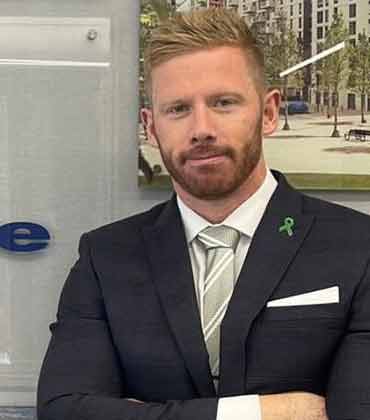
HSQE: A Data-Driven & Intelligent Approach
Luke Hands, Director of Health, Safety, Environmental & Quality Assurance, Ardmore Group
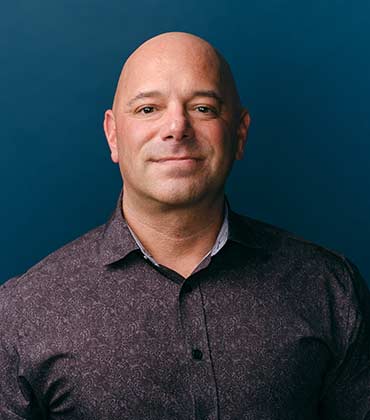
Building a Proactive and Aligned Safety Culture in Construction
Paul Stone, Safety Director, Haugland Group LLC

Contract Management and Sustainable Development: Collaboration for the Future of Construction
Hannah Leggatt, Director of Environment and Sustainability, Clancy

After Shutdown, The Real Challenge Begins
Souad Pederzani, Vice President | Business Unit Lead Disposal | Prokura, GNS Gesellschaft für Nuklear-Service

IN FOCUS
Europe's Hidden Health Crisis: The Rising Demand for Mould Remediation Services
Hidden mould risks in Europe drive demand for remediation due to health concerns, structural damage and poor indoor air quality.
Meeting ESG Challenges: Consulting Solutions for Europe's Evolving Markets
ESG consulting firms help organisations reduce emissions, improve sustainability performance and meet evolving regulatory and stakeholder expectations.
EDITORIAL
Building Value through Better Resource Management
Across Europe, organisations are looking further upstream, examining how materials are sourced, products are designed and resources are managed throughout their lifecycle. In this edition of Environmental Business Review Europe, we highlight the companies and industry leaders demonstrating that environmental progress begins long before waste is created and depends on practical solutions that deliver lasting value.
Our cover story features Biffa, recognised as the Top Waste Prevention & Reduction in UK 2026. Rather than approaching waste as an end-of-life challenge, the company helps organisations prevent waste at its source through lifecycle consultancy, packaging optimisation, surplus redistribution and recycled material supply. By connecting these capabilities into a single resource strategy, Biffa enables businesses to reduce material consumption, recover greater value and embed circular thinking into everyday operations.
Also recognised in this edition is Action Dry Emergency Services Ltd. as the WINNER - Excellence in Mould Remediation in UK 2026. The company has established a science-led approach to mould remediation that combines moisture diagnostics, contamination assessment, environmental testing and post-remediation verification. By addressing the root causes of mould rather than simply treating visible symptoms, Action Dry helps organisations improve indoor environmental quality, reduce long-term risk and provide measurable evidence that remediation has been completed effectively.
This issue also features perspectives from leaders tackling environmental challenges across different sectors. Ivor Castelino, Head – Waste to Energy at Bloom Energy, explores how on-site power generation and fuel cell technology can help waste-to-energy projects overcome grid constraints while supporting long-term decarbonisation. Luca Muscarà, Head of F&B at Seminaris Hotels, shares how zero-waste food practices, AI-driven waste analysis and collaborative leadership are helping hospitality businesses reduce food waste while empowering teams to improve operational performance.
Together, these stories show that meaningful environmental progress is built through informed decisions, measurable outcomes and a willingness to rethink established practices. We invite our readers to explore these perspectives and discover how practical innovation continues to shape a more sustainable future.
