
Habitat Restoration Services

Habitat restoration services help landowners and conservation teams improve damaged ecosystems through planned environmental recovery work. With a focus on native vegetation, soil health, watershed function and biodiversity support, they support healthier landscapes and more resilient natural systems.

Bird Folk Forestry: Advancing Wildlife Recovery through Tailored Forest Restoration
Bird Folk Forestry
Advancing Wildlife Recovery through Tailored Forest Restoration
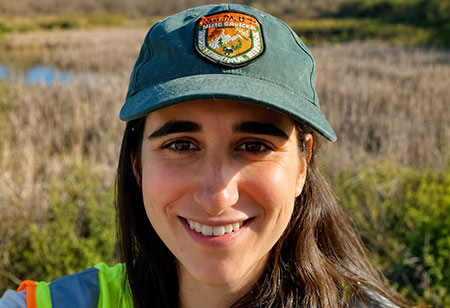
Jane Capozzelli, Owner, Bird Biologist and Forestry Specialist
Every property has different ecological conditions, and every landowner has different goals. Ecological restoration of private forestlands requires a customized approach built around the land condition, the species a landowner wants to support and the financial viability needed to sustain the work long term.

Habitat Restoration Services: Supporting Large-Scale Ecological Rehabilitation

Habitat restoration services are becoming more important as environmental pressures continue to affect wetlands, forests, grasslands, river systems, and coastal regions. Restoration work is no longer viewed as a narrow conservation activity focused only on damaged land. It now plays a broader role in protecting biodiversity, improving water systems, reducing erosion, and helping landscapes recover from long periods of environmental stress.

Habitat Restoration Requires More Than a Forestry Plan

Private-land habitat restoration often stalls long before the first thinning crew arrives. Property histories are incomplete, prior timber harvests have altered forest structure and landowners inherit acreage without a clear understanding of what ecological conditions existed before decades of extraction. Many restoration proposals fail at the point where biological goals meet cost reality. A retired farmer or family landowner may understand that habitat conditions have declined, yet restoring hundreds of acres requires specialized labor, site analysis and funding support that rarely fit within personal budgets.

Integrating Environmental Stewardship in Energy Businesses
DTE Energy
Integrating Environmental Stewardship in Energy Businesses
Christy Clark, Director, Environmental Management and Safety

For Christy Clark, business is personal. That’s because, at DTE Energy, where Clark serves as director of environmental engineering, her passion for environmental stewardship is built into the business.

Habitat Restoration Services Info

Q1
What Do Top Habitat Restoration Services Do?
Top Habitat Restoration Services help restore degraded ecosystems so they can better support native plants, wildlife and natural ecological processes. Their work may include removing invasive species, restoring wetlands, improving forests, rebuilding grasslands, stabilizing streambanks and encouraging native vegetation. These projects aim to improve biodiversity, strengthen ecosystem resilience and create healthier landscapes for both wildlife and people.
Q2
What Services Are Typically Included in Habitat Restoration Projects?
The scope of Top Habitat Restoration Services varies by ecosystem and project goals. Common services include ecological site assessments, habitat planning, invasive species management, native planting, erosion control, soil improvement, waterway restoration and long-term monitoring. Many projects also include maintenance to help restored habitats establish successfully and adapt to changing environmental conditions over time.
Q3
Why Is Demand for Habitat Restoration Services Growing?
Demand for Top Habitat Restoration Services continues to grow as governments, landowners, conservation organizations and businesses place greater emphasis on biodiversity, climate resilience and responsible land management. Habitat loss, invasive species, changing weather patterns and ecosystem degradation have increased interest in restoring natural environments. As environmental stewardship becomes a higher priority, restoration projects are being incorporated into conservation, infrastructure and land management initiatives.
Q4
How Are Top Habitat Restoration Services Evaluated?
Organizations selecting Top Habitat Restoration Services often consider ecological expertise, project planning capabilities, regulatory knowledge, restoration methods, monitoring practices and the ability to deliver measurable environmental outcomes. Experience across different habitat types, collaboration with stakeholders and the use of science-based restoration strategies are also important factors when evaluating providers for public or private restoration projects.
Q5
How Do Habitat Restoration Services Create Long-Term Environmental Value?
Top Habitat Restoration Services contribute to healthier ecosystems by improving habitat quality, supporting native wildlife, reducing erosion, improving water quality and increasing ecosystem resilience. Well-planned restoration projects can also help reduce long-term land management costs, strengthen natural flood protection and support sustainable land use. These outcomes benefit communities, landowners, conservation programs and future environmental management efforts.
Q6
What Role Do Innovation and Scientific Expertise Play in Habitat Restoration Services?
Innovation is becoming increasingly important in Top Habitat Restoration Services through improved ecological assessment techniques, geographic information systems, drone mapping, remote sensing and long-term environmental monitoring. Scientific expertise helps restoration teams choose appropriate native species, evaluate ecosystem health and adapt restoration plans as site conditions change. Combining field knowledge with modern environmental technologies supports more effective and sustainable restoration outcomes.