
Thank you for Subscribing to Environmental Business Review Weekly Brief

Azuria Water Solutions
Walter Radu, CSP, MS, Environment, Health and Safety Regional Director – Midwest
Leading Beyond Compliance: Creating a Culture Where Everyone Goes Home Safe
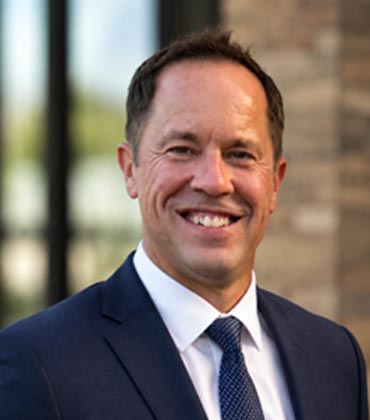
Walter Radu
Every organization has policies. Every organization has procedures. But organizations that achieve lasting safety excellence understand a fundamental truth, compliance establishes the minimum standard, while culture determines everyday behavior.
Throughout my career in the U.S. Navy, the fire service and Environmental, Health & Safety leadership, I have worked in environments where decisions made in seconds could have life-changing consequences. Those experiences reinforced a lesson that continues to shape my leadership philosophy today, people don’t simply follow rules, they follow leaders. Regulatory compliance is essential. OSHA standards, environmental regulations, audits, inspections and management systems provide the framework every organization needs. However, the safest organizations don’t stop at meeting regulatory requirements. They create cultures where employees understand that safety is both a shared responsibility and a personal commitment. Creating a Culture of Trust Creating that culture begins with trust. Employees must know they can speak up about hazards, report near misses and stop work when something doesn’t look or feel right without fear of criticism or retaliation. One example within the organization I represent for EHS is our Stop Work Authority program. Every employee from a new hire on their first day to an experienced field leader is empowered and expected to stop work when an unsafe condition exists. More importantly, that authority is supported throughout the organization, including at the highest levels of operational leadership. Our COO, himself a former U.S. Naval Officer, strongly supports the expectation that employees intervene when something is unsafe. That leadership support matters. A Stop Work Authority program cannot simply exist on paper. Employees must believe that when they exercise it, leadership will stand behind them. When that happens, stopping unsafe work becomes less about authority and more about responsibility, employees looking out for one another because everyone deserves to go home safely. Turning Technology into Leadership Engagement Technology also plays an increasingly important role in strengthening safety culture. Our organization uses the Cority EHS management platform, including myCority and GX2, to help connect field observations, incident information, corrective actions and safety performance across our operations.At the end of the day, production can be recovered, schedules can be adjusted and equipment can be replaced. People cannot.
The articles from these contributors are based on their personal expertise and viewpoints, and do not necessarily reflect the opinions of their employers or affiliated organizations.
