
Thank you for Subscribing to Environmental Business Review Weekly Brief

The Freeman Corporation
Richard Baldwin III, Environmental, Health and Safety Director
Creating Safety Cultures that People Sustain
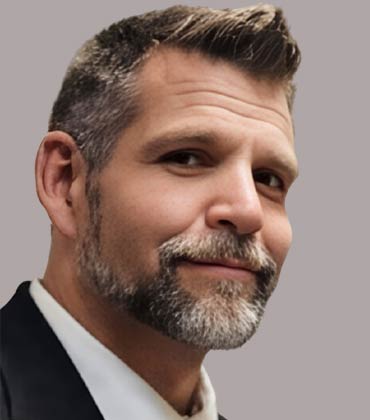
Richard Baldwin III
Richard Baldwin III is an OSHA-authorized trainer and experienced EHS professional, specializing in safety compliance, hazard abatement and continuous improvement. Through strategic planning, training and leadership, he helps organizations build safer, more efficient workplaces and empowers teams to achieve their EHS goals.
Building Culture through NearMiss Reporting The clearest sign of a strong EHS culture is assessing the reporting structure. If an organization has an aggressive nearmiss reporting structure, that will drive engagement, corrective/preventative actions, while raising morale due to declining first aids and property damage. Strengthening Trust through Visible Leadership Within the next 30 days, leaders should get out from behind their desks and work alongside frontline personnel. Inform them that you want to learn from them so you can make their jobs safer and more efficient. This helps with trust and buy-in. " Annual procedural reviews shouldn’t be just a document review. Eyes on the procedure need to occur to ensure that the procedure is still the best method to safely conduct business. " Keeping Procedures Aligned With Practice Annual procedural reviews shouldn’t be just a document review. Eyes on the procedure need to occur to ensure that the procedure is still the best method to safely conduct business. Making Safety Personal to Inspire Ownership I make Frontline ownership personal as I show them how working safely doesn’t impact just work, that it has a lasting impact on themselves and their families outside of work if they get hurt or fail to follow safety policies and procedures. An increase in hazard identification and reporting is often the first sign, within 90 days, that frontline buy-in is beginning to take hold.The articles from these contributors are based on their personal expertise and viewpoints, and do not necessarily reflect the opinions of their employers or affiliated organizations.
